developmental disorder
A boy with a developmental disorder, on risperidone
The Silence of the Storm: A Mother and Grandmother’s Perspective
For a long time, our home was a place of constant, vibrating tension. To raise a child with a genetic developmental regression is to live in a perpetual state of "high alert." My son was a whirlwind of hyperactivity, his days a repetitive loop of stereotypies - rhythmic, repetitive movements that seemed to be his only way of navigating a world that overwhelmed him. When he didn't get what he wanted, or when we tried to guide him, the frustration turned into aggression. He would strike out at everything and everyone.
We relied on Risperidone to keep the storm at bay, but the medicine came with its own price. It made him irritable; he would scream and scream, and every time the dosage was adjusted, I would lose nights of sleep. He was "managed," but he wasn't there. My own patience was paper-thin. I felt a lack of peace that made every day a struggle of endurance rather than a journey of motherhood.
The Emergence: Three Weeks of Softening
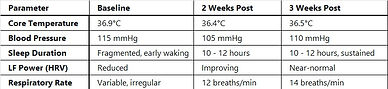
Then, we began this journey. After only three weeks, the change in the atmosphere of our lives is something I can only describe through tears of relief. The boy who couldn't sit still is now... tolerant. He is calm. The hyperactivity that used to drive him from one side of the room to the other has smoothed out. He has become analytical, more cooperative, as if he is finally able to process the world around him instead of just reacting to it.
The most profound change is the sleep. My mother - his grandmother - sees it too. Before, his sleep was fractured; he would wake up at dawn, unable to rest. Now, he sleeps nearly twelve hours of deep, tranquil rest. It is a "healthy" sleep, the kind that allows a brain to finally knit itself back together.
The Return of the Child: Laughter and Language
But the true miracle isn't just the lack of aggression; it’s the presence of joy. I see him now, and I see a child who plays. I see a child who smiles. He isn't just "stable" - he is happy. He has begun to babble, to utter sounds and attempt communication where before there was only a void. When he stood up just now to plant a kiss on his grandmother’s cheek, it wasn't a programmed movement; it was a spontaneous act of affection from a boy who is finally finding his way back to us.
As for me, I have found a peace I didn't think was possible. My patience has returned because the constant "noise" of his distress has been silenced. I feel tranquil. I see him healthy. I see him whole. We are no longer just managing a disorder; we are finally getting to know our son.
Pediatric case demonstrates autonomic regulation affecting behavior, sleep, and social function. The 12-hour sleep normalization indicates profound parasympathetic engagement. Multiple family observers serve as blind raters.